
This course includes six modules which cover various areas of medical genomics including: Introduction to Genomics, Variation, Microbiome, Pharmacogenomics, in vitro (IVF) and Fetal medicine, and Oncology.Each module defines common terms, shows examples of data, and how healthcare is changing due to genomic insights. Each module also contains ethical, legal, and social implications of genomics in medical treatment.
Biochemistry is a rigorous field of study involving foundational and introductory courses in biology and chemistry with laboratory components, as well as advanced courses exploring topics such as cell biology, microbiology and genetics. Biochemistry majors also take mathematics and physics courses. Biochemistry is a valuable degree commercially and that will come in useful for a range of well-paid jobs in an array of important industries. If one is looking for a career at the juncture of biology and medicine, then biochemistry could be interesting for him.
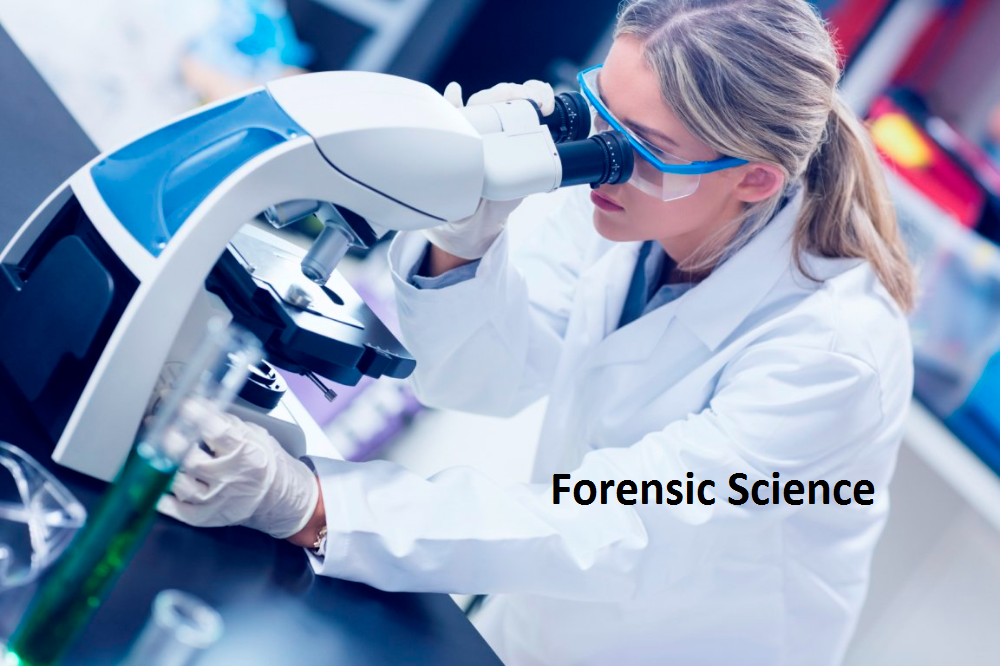
The course aims to explain the scientific principles and techniques behind the work of forensic scientists and will be illustrated with numerous case studies. Out of the many disciplines of science that you could pursue a career in forensic science is the one you should go for if you have a knack for solving or investigating crimes. It is also known as criminalistics and it makes science applicable to certain legal and civil laws to solve crime. In order to work in this field, you should have a focused mind with keen observation and analysis skills being a necessary aspect. Good communication skills and the ability to work well in a team are also required for Forensic Science.
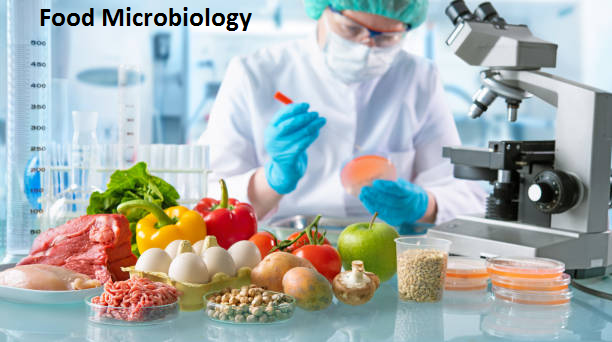
Food microbiology is about the understanding of microorganisms that grow or multiply in or contaminate the food which we consume. Food microorganisms could be either beneficial or harmful. The key aspect of food microbiology is food safety which focuses on the disease-causing microorganism and their toxins which may contaminate the food. That is why it becomes essential to recognize the possible role of microorganisms to ensure public safety. The major learning objectives of this course will be to study: the scope of food microbiology and food safety; to obtain the knowledge about important genera of microorganisms associated with food and their characteristics; to learn various techniques for enumeration and control of microorganisms in food; to gain the essential knowledge and applications of various techniques
This course focuses on all kinds of Vaccine Technology that include Vaccine Target Validation, Monoclonal Antibody Vaccines, Cell Based Vaccines.
Vaccines are instrumental in protecting people against infectious diseases and antimicrobial resistance (AMR). On this course, you will investigate the role of vaccines in preventing these diseases and explore case studies that demonstrate successful strategies.
After taking this course, you will understand how vaccines work and are used globally in low, middle and high-income countries. You will also appreciate the factors influencing the availability and uptake of vaccines and understand the important role they play in managing infectious diseases and preventing AMR.
Biochemistry and microbiology are the foundation of life sciences. The relationship between these disciplines is that they are involved in the study of life. Both courses are just as crucial in their respective fields and have significant scope for higher education, jobs, and research. This course facilitates the student to understand the fundamental concepts of Microorganisms and cutting edge aspects of biochemical process.